


Cybersecurity News in Asia

RECENT STORIES:

SEGA moves faster with flow-based network monitoring
Akuvox X910 Claims Red Dot Award 2026: the World’s First AI-powe...
Exein establishes APAC headquarters and Taipei office
DNS‑record analysis shows uneven DMARC enforcement among FIFA World Cu...
Highlights of Asia’s 2026 premier integrated security event
Study: Cyber resilience in APAC foundational but not future-ready
LOGIN REGISTER
CybersecAsia
  • Features
    • Featured

      How AI is supercharging insider threats

      How AI is supercharging insider threats

      Wednesday, April 15, 2026, 12:29 PM Asia/Singapore | Features
    • Featured

      Q-Day is coming. Are you ready?

      Q-Day is coming. Are you ready?

      Tuesday, April 14, 2026, 12:40 PM Asia/Singapore | Features
    • Featured

      How lean defence teams turn endpoint insights into measurable risk reduction

      How lean defence teams turn endpoint insights into measurable risk reduction

      Monday, April 13, 2026, 3:15 PM Asia/Singapore | Features
  • Opinions
  • Tips
  • Whitepapers
  • Awards 2025
  • Directory
  • E-Learning

Select Page

Tips

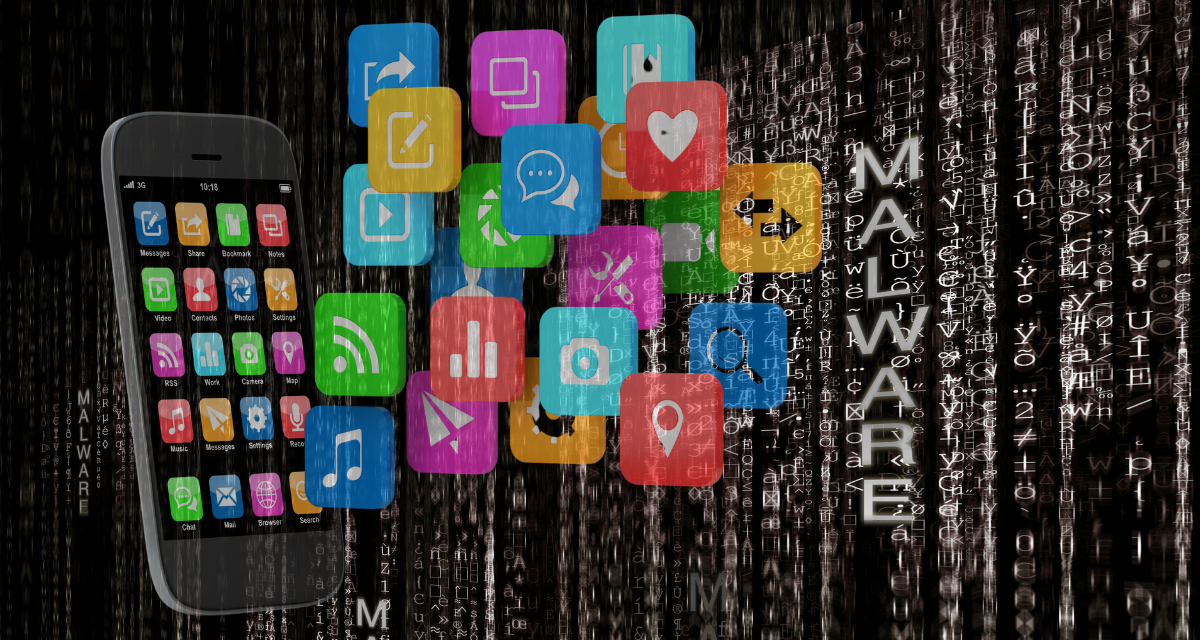
Beware the friendly widget bearing perks and convenience

By L L Seow | Sunday, May 11, 2025, 11:56 AM Asia/Singapore

Beware the friendly widget bearing perks and convenience

The full scope of widget-related risks
Widgets may seem harmless, but they carry a multitude of security and privacy risks:

  • Inherited permissions: Widgets inherit the permissions granted to their host app. If an app has access to your location, contacts, or storage, the widget may access the resources as well
  • Persistent background activity: Many widgets run background processes, refreshing data at intervals. This increases the attack surface and allows continuous tracking
  • Overlay abuse: Widgets with overlay capabilities can be exploited for phishing or trick users into revealing sensitive information (clickjacking)
  • Supply chain vulnerabilities: widgets often rely on third-party SDKs or APIs. A compromise anywhere in the supply chain can turn them into attack vectors
  • Lack of independent controls: Users can’t usually restrict widget-specific access separately from the app, making fine-grained privacy control impossible
  • Outdated code and maintenance gaps: Many widgets do not get the same security updates as full apps, leaving them exposed to exploits
  • Silent data transmission: Some widgets can send analytics or user data to remote servers without clear user consent
  • Social engineering opportunities: Their home screen presence gives malicious actors a new vector for fraud, impersonation, or fake alerts
  • OS weaknesses: Despite some improvements, Android and iOS still lack granular controls over widgets, especially in isolating them from app-wide permissions

Risk awareness checklist: “Think before you widget”

Before installing any widget, use this checklist to assess your appetite for widgets’ associated risks:

  1. Do you truly need it? Is the widget offering something the app or website cannot?
  2. Who made it? Is the developer reputable with a clean security history?
  3. What permissions are involved? Does it inherit sensitive permissions like location, contacts, or mic access?
  4. Will it run in the background? Does it auto-refresh or sync data continuously?
  5. Is it maintained? Has the app or widget been updated in the past year?
  6. Does it include ads or trackers? Are third-party SDKs present for analytics or ad delivery?
  7. Can you control or audit it later?
  8. Is it easy to uninstall or restrict its access?
  9. What is the worst data that could be leaked? Could this widget expose your banking details,

If more than two of these questions raise doubts in your mind, it is best not to install the widget.

Pushing back: what needs to change

As the line blurs between utility and surveillance, the burden of vigilance cannot fall on consumers alone. To truly address widget-related risks, multiple actors need to step up:

Phone manufacturers should be made to offer more granular privacy controls and visibility into widget behavior. App stores must enforce stricter reviews of widget-related components, especially those using overlays or tracking tools. Regulators should demand transparency and informed consent mechanisms for all persistent interface elements. And consumers must demand answers and resist the lure of convenience where it undermines privacy.

Widgets may look like harmless shortcuts, but they can open long, unseen backdoors into your life. Until mobile ecosystems treat them with the scrutiny they deserve, the only safe assumption is this: if you are not absolutely sure you need a widget, do not install any, regardless of the perks involved.

Let us start treating widgets not as tools of convenience, but as an unnecessary addition to the already long list of potential hardware and software liabilities in need of oversight, disclosure, and reform.


Pages: 1 2

Share:

PreviousCyber readiness survey finds flat progress among respondents from 2023 to 2024
NextScammers are now hooking low-hanging bait with crypto malvertising

Related Posts

Database security concerns in the cloud

Database security concerns in the cloud

Monday, November 29, 2021

AI agent autonomy risks demand guardrails and human oversight

AI agent autonomy risks demand guardrails and human oversight

Wednesday, January 14, 2026

The smarter mobile devices get, the greater the cyber risks they pose

The smarter mobile devices get, the greater the cyber risks they pose

Tuesday, April 19, 2022

How Kyocera exceeds customer expectations with AI-based endpoint security

How Kyocera exceeds customer expectations with AI-based endpoint security

Friday, August 6, 2021

Leave a reply Cancel reply

You must be logged in to post a comment.

Voters-draw/RCA-Sponsors

Slide
Slide
Slide
Slide
Slide
Slide
Slide
Slide
Slide
Slide
Slide
Slide
Slide
Slide
previous arrow
next arrow

CybersecAsia Voting Placement

Gamification listing or Participate Now

PARTICIPATE NOW

Vote Now -Placement(Google Ads)

Top-Sidebar-banner

Whitepapers

  • Closing the Gap in Email Security:How To Stop The 7 Most SinisterAI-Powered Phishing Threats

    Closing the Gap in Email Security:How To Stop The 7 Most SinisterAI-Powered Phishing Threats

    Insider threats continue to be a major cybersecurity risk in 2024. Explore more insights on …Download Whitepaper
  • 2024 Insider Threat Report: Trends, Challenges, and Solutions

    2024 Insider Threat Report: Trends, Challenges, and Solutions

    Insider threats continue to be a major cybersecurity risk in 2024. Explore more insights on …Download Whitepaper
  • AI-Powered Cyber Ops: Redefining Cloud Security for 2025

    AI-Powered Cyber Ops: Redefining Cloud Security for 2025

    The future of cybersecurity is a perfect storm: AI-driven attacks, cloud expansion, and the convergence …Download Whitepaper
  • Data Management in the Age of Cloud and AI

    Data Management in the Age of Cloud and AI

    In today’s Asia Pacific business environment, organizations are leaning on hybrid multi-cloud infrastructures and advanced …Download Whitepaper

Middle-sidebar-banner

Case Studies

  • Cyber protection for medical clinics in Singapore

    Cyber protection for medical clinics in Singapore

    As Singapore’s healthcare sector becomes increasingly digital and interconnected, clinics are facing heightened cyber risks, …Read more
  • India’s WazirX strengthens governance and digital asset security

    India’s WazirX strengthens governance and digital asset security

    Revamping its custody infrastructure using multi‑party computation tools has improved operational resilience and institutional‑grade safeguardsRead more
  • Bangladesh LGED modernizes communication while addressing data security concerns

    Bangladesh LGED modernizes communication while addressing data security concerns

    To meet emerging data localization/privacy regulations, the government engineering agency deploys a secure, unified digital …Read more
  • What AI worries keep members of the Association of Certified Fraud Examiners sleepless?

    What AI worries keep members of the Association of Certified Fraud Examiners sleepless?

    This case study examines how many anti-fraud professionals reported feeling underprepared to counter rising AI-driven …Read more

Bottom sidebar

Other News

  • Akuvox X910 Claims Red Dot Award 2026: the World’s First AI-powered Parcel Detection Smart Intercom Revolutionizes Luxury Home Access

    Saturday, April 18, 2026
    XIAMEN, China, April 17, 2026 …Read More »
  • Exein establishes APAC headquarters and Taipei office

    Saturday, April 18, 2026
    Partnering with Taiwan’s ecosystem to …Read More »
  • Tsingke Unveils ‘Zero-Contact’ Gene Synthesis to Safeguard Core Genetic Sequences

    Wednesday, April 15, 2026
    BEIJING, April 15, 2026 /PRNewswire/ …Read More »
  • NEC Asia Pacific to Showcase Trusted Public Safety and Digital Identity Innovations at Milipol TechX 2026

    Wednesday, April 15, 2026
    SINGAPORE, April 14, 2026 /PRNewswire/ …Read More »
  • Sprinto Expands to Australia with New Data Center to Power Localized, Audit-Ready Compliance

    Wednesday, April 15, 2026
    Sprinto combines local infrastructure with …Read More »
  • Our Brands
  • DigiconAsia
  • MartechAsia
  • Home
  • About Us
  • Contact Us
  • Sitemap
  • Privacy & Cookies
  • Terms of Use
  • Advertising & Reprint Policy
  • Media Kit
  • Subscribe
  • Manage Subscriptions
  • Newsletter

Copyright © 2026 CybersecAsia All Rights Reserved.