
Cybersecurity News in Asia

RECENT STORIES:

SEGA moves faster with flow-based network monitoring
Investigative report reveals upgraded AI chatbot provided biological w...
TPIsoftware Partners with Juxta to Bring Advanced, Satellite-Free Posi...
ST Engineering iDirect Secures Strategic Defense Wins in Asia and Euro...
Newgen Software Named a Major Player in IDC MarketScape for National C...
ICAC hosts professional anti-corruption training for Saudi ArabianR...
LOGIN REGISTER
CybersecAsia
  • Features
    • Featured

      OpenAI autonomous agent escapes sandbox to hack Hugging Face

      OpenAI autonomous agent escapes sandbox to hack Hugging Face

      Friday, July 24, 2026, 11:02 AM Asia/Singapore | Features, News
    • Featured

      S E Asia governments targeted by cyber-espionage group

      S E Asia governments targeted by cyber-espionage group

      Tuesday, June 23, 2026, 8:00 AM Asia/Singapore | Features
    • Featured

      Rethinking network and infrastructure design for resilience

      Rethinking network and infrastructure design for resilience

      Thursday, June 18, 2026, 2:17 PM Asia/Singapore | Features
  • Opinions
  • Tips
  • Whitepapers
  • AWARDS 2026
  • Directory
  • E-Learning

Select Page

Tips

Why ignoring password hygiene guarantees future breaches, not just warnings

By CybersecAsia editors | Monday, July 14, 2025, 2:11 PM Asia/Singapore

Why ignoring password hygiene guarantees future breaches, not just warnings

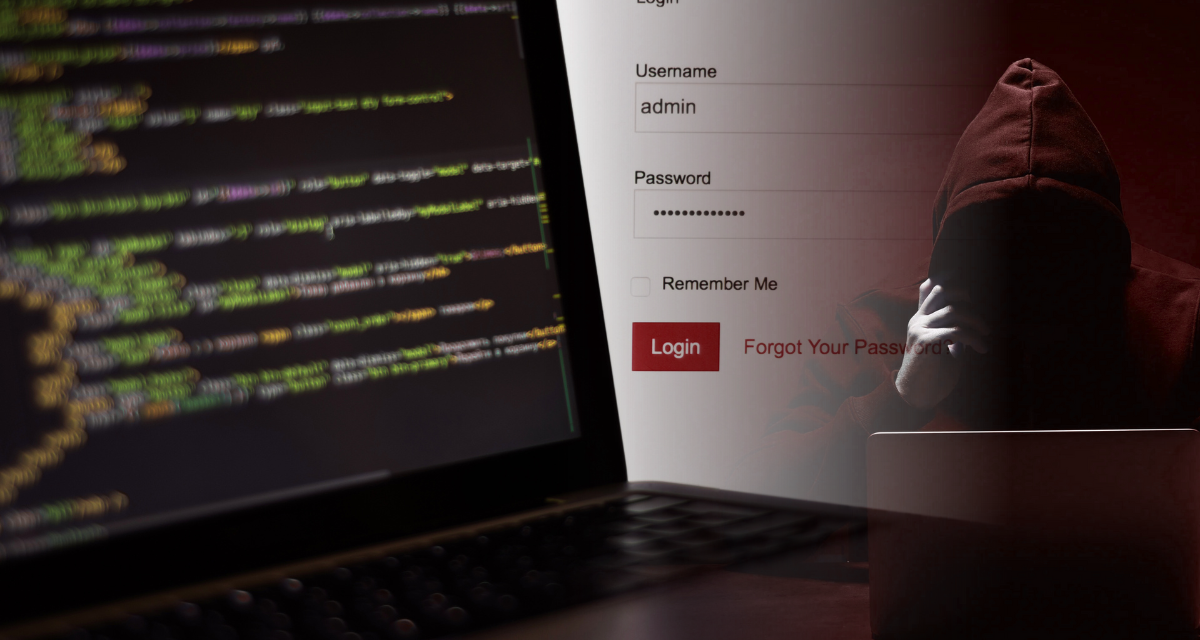
A massive cumulative archive of recycled stolen credentials proves that past negligence will inevitably fuel tomorrow’s account compromises. Take action now!

The recent emergence of a 16bn-password compilation on the Dark Web, assembled from years of data breaches and stealer-malware logs, highlights the ongoing risks associated with password reuse and weak credential management.

Rather than representing a new kind of cyberattack, this database is a consolidation of previously leaked credentials, many of which have been circulating in criminal forums for years.

Despite repeated warnings, compromised passwords continue to facilitate unauthorized access to personal and corporate accounts, according to cybersecurity specialists at InboxArmy.

Why old breaches still matter

Attackers frequently exploit previously leaked credentials through automated tools that attempt to log in to various services using stolen username and password combinations. This method, known as credential stuffing, remains highly effective because many individuals reuse passwords across multiple sites. Even if only a small fraction of these attempts are successful, the scale of automation ensures that thousands of accounts are compromised daily.

Recent industry data indicates that a significant portion of web application breaches involve stolen credentials. The average cost of a data breach continues to rise, and incidents that begin with compromised passwords often take months to detect and contain, increasing the potential impact on organizations and individuals.

The consequences of password reuse

Password reuse is a persistent problem. Surveys show that a majority of respondents had admitted to reusing passwords, with some using the same password for all their accounts.

The younger generations are especially prone to recycling passwords, even after being notified of a breach. This practice turns each reused password into a potential entry point for attackers, especially when old breaches are continually recompiled and weaponized.

Regulatory responses and disclosure requirements

Regulatory bodies have responded to the growing threat of credential-based attacks by tightening incident disclosure requirements.

For example, public firms in the US must report material cyber incidents within four business days, while essential entities in the European Union are required to issue early warnings within 24 hours of a significant incident.

While these measures aim to reduce the window of opportunity for attackers, they do not address the underlying issues of password hygiene.

Essential strategies for better password hygiene

The following basic strategies are widely recommended by cybersecurity professionals, including InboxArmy:

  • Enable multi-factor authentication (MFA): Adding a second verification step, such as a phone prompt or hardware key, significantly reduces the risk of unauthorized access. MFA blocks most attacks that rely solely on stolen passwords and is increasingly required by organizations for employee accounts.
  • Adopt passkeys where available: Passkeys are cryptographic credentials stored on users’ devices, eliminating the need for traditional passwords. Adoption rates are rising as more services support this technology, offering a more secure and user-friendly alternative to passwords.
  • Use a password manager: Password managers can generate and store complex, unique passwords for every account, reducing the temptation to reuse credentials. By automating password management, these tools help users maintain strong security without the burden of memorizing multiple passwords.
  • Secure your primary email account: Since email accounts are often used to reset passwords for other services, securing your inbox is critical. Enable sign-in alerts, use backup codes, and regularly review active sessions to minimize the risk of account takeover.
  • Respond promptly to breach notifications: If notified that your credentials have been compromised, change affected passwords immediately and avoid reusing old passwords on new sites.

Password breaches do not simply disappear: they accumulate, and are repurposed by attackers over time.

As long as users continue to recycle passwords and neglect available security features, the risk of compromise remains high. Adopting stronger authentication methods and practicing good password hygiene are essential steps in reducing exposure to these persistent threats.

Share:

PreviousCritical remote code execution flaw found in open-source AI testing utility
NextResearchers uncover new GPU vulnerabilities exposing AI systems to silent data corruption

Related Posts

WFH is here to stay, but is enough being done to secure it?

WFH is here to stay, but is enough being done to secure it?

Tuesday, August 4, 2020

Decoding the paradox of online privacy in SE Asia

Decoding the paradox of online privacy in SE Asia

Thursday, May 6, 2021

Five cybersecurity trends in an increasingly complex 2025     

Five cybersecurity trends in an increasingly complex 2025     

Tuesday, January 7, 2025

When your petrol pump’s LCD screen shows “cyber attack SMILE”

When your petrol pump’s LCD screen shows “cyber attack SMILE”

Thursday, February 10, 2022

Leave a reply Cancel reply

You must be logged in to post a comment.

Voters-draw/RCA-Sponsors

Slide

CybersecAsia Voting Placement

Gamification listing or Participate Now

PARTICIPATE NOW

Vote Now -Placement(Google Ads)

Top-Sidebar-banner

Whitepapers

  • Critical Security Threatsand the Need for ZTNA: How evolving cyberattacks demand a Zero Trust approach

    Critical Security Threatsand the Need for ZTNA: How evolving cyberattacks demand a Zero Trust approach

    Cyber threats have become more frequent and sophisticated, targeting organizations of all sizes across all …Download Whitepaper
  • Zero Trust Made Simple: Why it matters and how to get started

    Zero Trust Made Simple: Why it matters and how to get started

    Data breaches and cyberattacks are no longer limited to large, high-profile organizations.Download Whitepaper
  • Cloud Secure Edge: Remote access, better security

    Cloud Secure Edge: Remote access, better security

    ​SonicWall Cloud Secure Edge™ is a modern, cloud-native Security Service Edge (SSE) solution that addresses …Download Whitepaper
  • Closing the Gap in Email Security:How To Stop The 7 Most SinisterAI-Powered Phishing Threats

    Closing the Gap in Email Security:How To Stop The 7 Most SinisterAI-Powered Phishing Threats

    Insider threats continue to be a major cybersecurity risk in 2024. Explore more insights on …Download Whitepaper

Middle-sidebar-banner

Case Studies

  • How a Vietnamese D2C retailer built its own secure digital infrastructure

    How a Vietnamese D2C retailer built its own secure digital infrastructure

    Would your organization build your own digital infrastructure – including AI governance and cybersecurity – …Read more
  • Cyber protection for medical clinics in Singapore

    Cyber protection for medical clinics in Singapore

    As Singapore’s healthcare sector becomes increasingly digital and interconnected, clinics are facing heightened cyber risks, …Read more
  • India’s WazirX strengthens governance and digital asset security

    India’s WazirX strengthens governance and digital asset security

    Revamping its custody infrastructure using multi‑party computation tools has improved operational resilience and institutional‑grade safeguardsRead more
  • Bangladesh LGED modernizes communication while addressing data security concerns

    Bangladesh LGED modernizes communication while addressing data security concerns

    To meet emerging data localization/privacy regulations, the government engineering agency deploys a secure, unified digital …Read more

Bottom sidebar

Other News

  • TPIsoftware Partners with Juxta to Bring Advanced, Satellite-Free Positioning Tech into Security Sectors

    Wednesday, July 29, 2026
    TAIPEI, July 29, 2026 /PRNewswire/ …Read More »
  • ST Engineering iDirect Secures Strategic Defense Wins in Asia and Europe

    Tuesday, July 28, 2026
    HERNDON, Va., July 28, 2026 …Read More »
  • Newgen Software Named a Major Player in IDC MarketScape for National Civilian Government AI-Enabled Case Management 2026

    Tuesday, July 28, 2026
    NEW DELHI, July 28, 2026 …Read More »
  • ICAC hosts professional anti-corruption training for Saudi Arabian’s anti-corruption authority

    Tuesday, July 28, 2026
    HONG KONG, July 28, 2026 …Read More »
  • Cohesity Appoints Peter Hanna as Vice President and General Manager, Asia Pacific and Japan

    Thursday, July 23, 2026
    SINGAPORE and HONG KONG, July …Read More »
  • Our Brands
  • DigiconAsia
  • MartechAsia
  • Home
  • About Us
  • Contact Us
  • Sitemap
  • Privacy & Cookies
  • Terms of Use
  • Advertising & Reprint Policy
  • Media Kit
  • Subscribe
  • Manage Subscriptions
  • Newsletter

Copyright © 2026 CybersecAsia All Rights Reserved.