

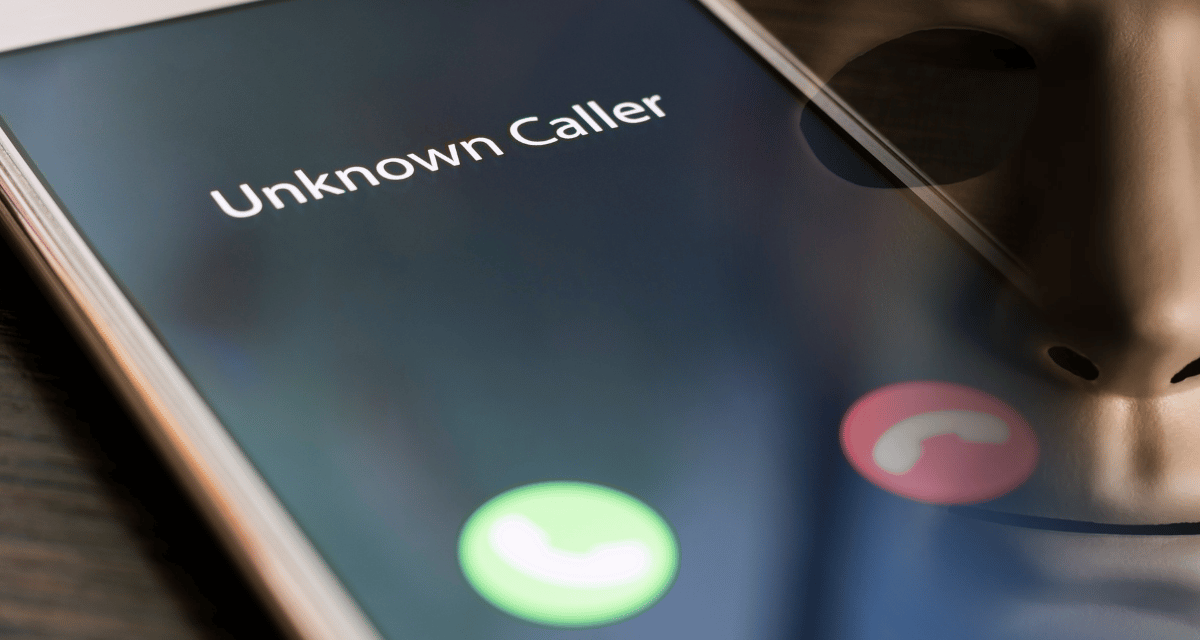
The feature verifies device handshaking, but cannot ensure caller identity, remaining vulnerable to compromised phones, deepfakes, interoperability gaps, and warning fatigue.
Google’s newly announced Android fake-call detection (Phone by Google) feature represents an important acknowledgement of a growing global problem: AI-assisted voice impersonation scams are becoming increasingly realistic, scalable, and psychologically manipulative.
As AI tools improve, cybercriminals can now clone voices, imitate speech patterns, and spoof familiar phone numbers with alarming ease. In that context, any serious attempt by a major technology company to strengthen trust in phone communications deserves attention.
As AI tools improve, cybercriminals can now clone voices, imitate speech patterns, and spoof familiar phone numbers with alarming ease. In that context, any serious attempt by a major technology company to strengthen trust in phone communications deserves attention.
At the same time, users should be careful not to overestimate what this new protection can realistically achieve.
Beware the false sense of safety
The feature appears designed to verify whether a call claiming to come from a known contact is genuinely being initiated from that contact’s real device or trusted ecosystem, rather than simply displaying a familiar caller ID.
This is useful because traditional caller ID systems were never designed with modern cybercrime in mind. For decades, the global telephone infrastructure prioritized connectivity and convenience over cryptographic identity assurance. As a result, spoofing a phone number has become relatively easy for scammers using VoIP systems, compromised telecom routes, or online fraud tools.
Google’s system attempts to add a modern trust layer on top of this aging infrastructure. That is a meaningful improvement over relying solely on caller ID. However, it is still not equivalent to a foolproof identity guarantee. Why?
- One major limitation is that the system focuses primarily on verifying the device and communication pathway, not necessarily the human being behind the call.
- If a cybercriminal gains control of a victim’s actual phone through malware, SIM-swap fraud, account compromise, or physical theft, the verification process itself may be circumvented. In other words, a compromised “trusted” device can still become a weapon against the victim’s own social circle.
- This matters because mobile device compromise is no longer rare or hypothetical. Modern attacks increasingly target smartphones through malicious apps, fake software updates, phishing links, remote-access trojans, accessibility-service abuse, spyware, and cloud-account takeovers. Once an attacker gains sufficient access, they may be able to impersonate the real owner with frightening credibility.
- Another critical weakness lies in human psychology. Cybersecurity professionals have long understood that social engineering often defeats technical safeguards. Even if Android displays a warning that a call may not be authentic, scammers can adapt their scripts almost immediately.
An attacker could just claim:- “I’m calling from a temporary phone.”
- “My battery died.”
- “I lost my device.”
- “I’m using a hospital line.”
- “The network is unstable overseas.”
- “Ignore the warning — my phone was damaged.”
Under emotional stress, fear, urgency, or confusion, many victims may still comply. Elderly individuals, anxious parents, isolated users, and employees under authority pressure remain especially vulnerable. In practice, cybercriminals rarely rely on technology alone; they exploit emotional manipulation, panic, urgency, and trust.
- There are also operational and ecosystem concerns. The protection reportedly depends on compatibility between Android devices, supported calling applications, communication standards, and network infrastructure. That creates potential blind spots involving: iPhones and mixed-device families; international roaming; enterprise phone systems; landlines; VoIP gateways; unsupported Android devices; telecom interoperability gaps; inconsistent carrier implementations
- The users most vulnerable to scams are often those using older phones, fragmented telecom environments, or less technically sophisticated setups — precisely the scenarios where advanced verification systems may not function consistently.
- Furthermore, any trust-verification system can introduce new attack surfaces. Security researchers will likely examine whether the underlying verification process is resistant to replay attacks, relay attacks, protocol downgrades, forged trust assertions, or implementation flaws across different manufacturers and carriers. History shows that even well-designed authentication systems can fail under real-world complexity, especially when deployed at global scale across fragmented ecosystems.
- Another overlooked issue is warning fatigue. If legitimate calls occasionally fail verification because of connectivity problems, software bugs, roaming conditions, or synchronization issues, users may gradually become conditioned to dismiss alerts. Cybersecurity history is filled with examples of warnings losing effectiveness over time because users encountered too many false positives. Browser certificate warnings, antivirus popups, and endless permission prompts all demonstrate how easily security messaging can become background noise.
Finally, the danger is not merely that attackers bypass the system technically. The greater danger may be that users begin assuming: “Verified equals safe.”
That assumption could become deeply problematic if sophisticated easily and eventually learn to exploit, compromise, or socially maneuver around the verification framework itself. For this reason, users should continue relying on layered cyber safety practices rather than any single security feature.
Back to cyber safety best practices
Some of the most effective defenses remain surprisingly simple:
- Never treat urgency as proof of legitimacy. Scammers deliberately create panic because rushed decisions reduce critical thinking. Any request involving money transfers, cryptocurrency, passwords, banking information, one-time passcodes, or sensitive personal data should immediately trigger skepticism.
- Independently verify unusual requests. If a friend, family member, bank representative, or company executive makes an unexpected request, hang up and contact them using a known and trusted number rather than continuing the suspicious call. Do not rely solely on numbers presented on-screen.
- Establish family verification procedures. Families can create emergency code words or challenge-response phrases that would be difficult for outsiders or AI voice clones to guess. Even simple shared references can add an important human layer of verification.
- Strengthen device security itself.
- keep the phone operating system and critical software updated
- avoid installing unknown apps or apps from dubious sources
- review app permissions carefully and regularly
- enable strong screen locks
- use multi-factor authentication
- monitor SIM-swap risks
- remain cautious of phishing links sent via SMS, messaging apps, or email
- Maintain emotional awareness during calls. Many scams succeed not because victims are unintelligent, but because attackers skillfully manipulate fear, authority, embarrassment, greed, loneliness, or compassion. Recognizing emotional manipulation is now a core cybersecurity skill.
Cybersecurity remains an adversarial arms race involving technical weaknesses, human psychology, economic incentives, and global criminal adaptation. Progress will likely require not just better authentication technologies, but stronger telecom standards, broader interoperability, public education, independent security audits, and continuous skepticism toward claims of seamless trust.
Users should therefore view the new Android feature as a main fallback. It is not a digital lie detector, but an additional signal among many. Helpful security layers matter — but resilient cyber safety still depends on caution, independent verification, layered defenses, and the willingness to question even seemingly familiar voices on the other end of the line.