

Cybersecurity News in Asia

RECENT STORIES:

SEGA moves faster with flow-based network monitoring
Hacker offers millions of corporate employee records allegedly stolen ...
Electronics giant issues alerts about mercenary spyware to selected hi...
GeeLark Upgrades Browser Infrastructure with Version 150 and Team Pass...
Researchers discover way to bypass CPU Spectre v2 protections to inter...
SUPCON and Certis Sign Strategic Cooperation Agreement to Advance Robo...
LOGIN REGISTER
CybersecAsia
  • Features
    • Featured

      Why APAC Teams Need to Stop Worshipping CVSS Scores

      Why APAC Teams Need to Stop Worshipping CVSS Scores

      Monday, August 3, 2026, 9:00 AM Asia/Singapore | Features, Newsletter, Sponsored, Tips
    • Featured

      Automated credential abuse and phishing in APAC

      Automated credential abuse and phishing in APAC

      Thursday, July 30, 2026, 11:37 AM Asia/Singapore | Features
    • Featured

      OpenAI autonomous agent escapes sandbox to hack Hugging Face

      OpenAI autonomous agent escapes sandbox to hack Hugging Face

      Friday, July 24, 2026, 11:02 AM Asia/Singapore | Features, News
  • Opinions
  • Tips
  • Whitepapers
  • AWARDS 2026
  • Directory
  • E-Learning

Select Page

Scam encounters remained widespread in 2024/25: prevention efforts challenged by weak vigilance measures

By CybersecAsia editors | Friday, October 10, 2025, 11:09 AM Asia/Singapore

Scam encounters remained widespread in 2024/25: prevention efforts challenged by weak vigilance measures

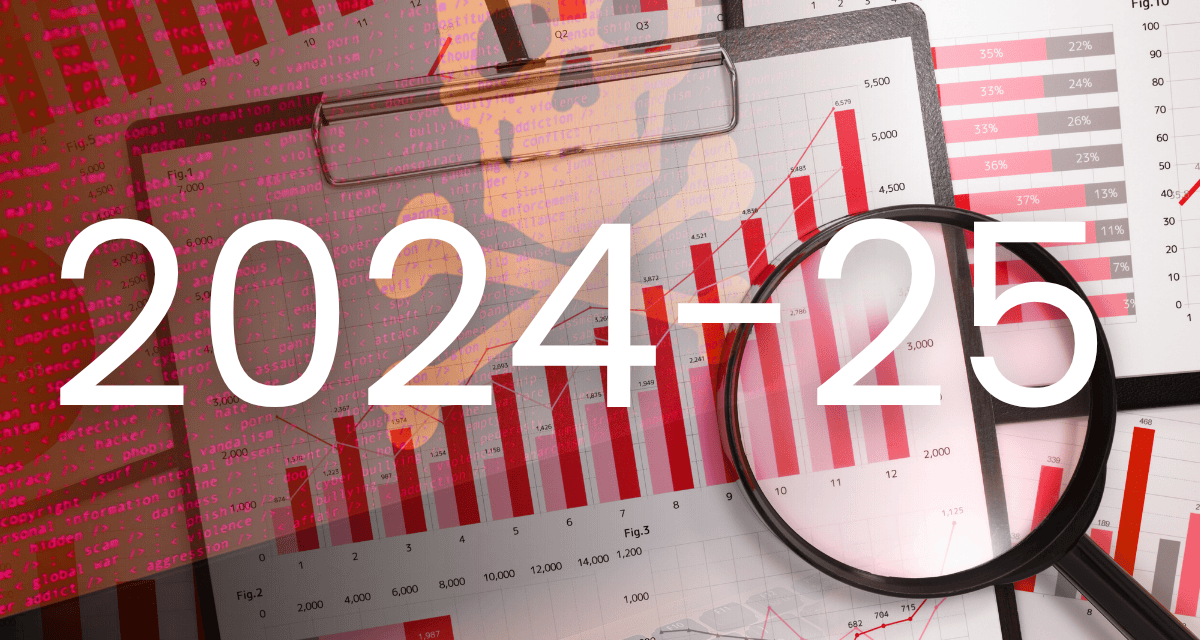
According to a global non-profit-oriented survey, weak scam vigilance measures limited prevention despite widespread scam warnings and disclosures.

Based on a survey of 46,000 adults* across 42 markets conducted via a 15-minute online questionnaire exploring experiences with scams over the last 12 months, a global non-profit organization has shared some data findings with the media.

First, 57% of global respondents had indicated they had encountered a scam in the past year, with 23% citing that they lost money as a result. Shopping scams had affected 54% of those scammed, while investment scams and unexpected money scams had each affected 48%. Scam encounters were more frequent in regions such as South America, Africa, and Oceania, where up to 41% of respondents had reported financial losses from these scams.

Second, 69% of respondents who were victims of scams had indicated they found the experience stressful; 17% indicated a loss of confidence; and 14% had indicated heightened tension within their family units following a scam encounter.

Other findings

Third, 93% of global respondents had reported taking at least one step to verify if an offer was legitimate, although many had relied on less effective measures such as checking for spelling and grammar mistakes (27%), looking for reviews on the same website (24%), or verifying company presence on social media (21%). Also:

  • Approximately 70% of scam victims reported their encounters at least once, but over one-third said no action was taken by the platform after their report.
  • Barriers to reporting scams included uncertainty about where to report (36%), believing the scam was not important enough to report due to no money lost (35%), and complexity of the reporting process.
  • The most common payment methods used by scammers to receive funds were wire or bank transfers (29%) and credit card payments (18%).
  • Scams tended to happen quickly, with nearly two-thirds concluding within a day of initial contact, often within minutes, implying the use of urgency and pressure tactics.
  • Confidence in recognizing scams varied by demographics, with approximately 73% of adults offering some level of confidence, but younger adults, despite more confidence, were more likely to fall victim.
  • The prevalence of scams and financial losses disproportionately affected people in developing regions and younger adults, with those in South America and Africa reporting among the highest impact.

According to Jorij Abraham, Managing Director, Global Anti-Scam Alliance (GASA), the non-profit organization that commissioned the survey: “Scams are not only draining finances but also eroding trust and creating significant stress within families. We are learning that scam awareness campaigns alone are not enough. We need to continuously educate consumers, build better solutions to recognize and block scams and work internationally closer to get to catch the scammers.

*Aged 18 and above, numbering around 1,000 respondents per market. Quotas and weighting were applied to ensure national representativeness within each market on gender, age, and region. The overall quality of methodology disclosure is robust and comprehensive.

Share:

PreviousGOVWARE 2025: SECURING THE NEXT CHAPTER OF DIGITAL TRUST, INNOVATION, AND RESILIENCE
NextLRQA Strengthens Cyber Resilience Conversations at Cyber Security World Asia 2025

Related Posts

How can APAC unlock AI potential without vulnerability to adoption pitfalls?

How can APAC unlock AI potential without vulnerability to adoption pitfalls?

Wednesday, March 4, 2026

Will the billions lost in financial scams lead to better vigilance and accountability?

Will the billions lost in financial scams lead to better vigilance and accountability?

Tuesday, November 19, 2024

Understanding Myanmar’s intensifying digital disruptions

Understanding Myanmar’s intensifying digital disruptions

Wednesday, April 7, 2021

Is the world more secure in their remote-working security now?

Is the world more secure in their remote-working security now?

Tuesday, June 8, 2021

Leave a reply Cancel reply

You must be logged in to post a comment.

Voters-draw/RCA-Sponsors

Slide
Slide
Slide
Slide
Slide
Slide
Slide
Slide
Slide
Slide
Slide
previous arrow
next arrow

CybersecAsia Voting Placement

Gamification listing or Participate Now

PARTICIPATE NOW

Vote Now -Placement(Google Ads)

Top-Sidebar-banner

Whitepapers

  • Critical Security Threatsand the Need for ZTNA: How evolving cyberattacks demand a Zero Trust approach

    Critical Security Threatsand the Need for ZTNA: How evolving cyberattacks demand a Zero Trust approach

    Cyber threats have become more frequent and sophisticated, targeting organizations of all sizes across all …Download Whitepaper
  • Zero Trust Made Simple: Why it matters and how to get started

    Zero Trust Made Simple: Why it matters and how to get started

    Data breaches and cyberattacks are no longer limited to large, high-profile organizations.Download Whitepaper
  • Cloud Secure Edge: Remote access, better security

    Cloud Secure Edge: Remote access, better security

    ​SonicWall Cloud Secure Edge™ is a modern, cloud-native Security Service Edge (SSE) solution that addresses …Download Whitepaper
  • Closing the Gap in Email Security:How To Stop The 7 Most SinisterAI-Powered Phishing Threats

    Closing the Gap in Email Security:How To Stop The 7 Most SinisterAI-Powered Phishing Threats

    Insider threats continue to be a major cybersecurity risk in 2024. Explore more insights on …Download Whitepaper

Middle-sidebar-banner

Case Studies

  • How a Vietnamese D2C retailer built its own secure digital infrastructure

    How a Vietnamese D2C retailer built its own secure digital infrastructure

    Would your organization build your own digital infrastructure – including AI governance and cybersecurity – …Read more
  • Cyber protection for medical clinics in Singapore

    Cyber protection for medical clinics in Singapore

    As Singapore’s healthcare sector becomes increasingly digital and interconnected, clinics are facing heightened cyber risks, …Read more
  • India’s WazirX strengthens governance and digital asset security

    India’s WazirX strengthens governance and digital asset security

    Revamping its custody infrastructure using multi‑party computation tools has improved operational resilience and institutional‑grade safeguardsRead more
  • Bangladesh LGED modernizes communication while addressing data security concerns

    Bangladesh LGED modernizes communication while addressing data security concerns

    To meet emerging data localization/privacy regulations, the government engineering agency deploys a secure, unified digital …Read more

Bottom sidebar

Other News

  • GeeLark Upgrades Browser Infrastructure with Version 150 and Team Password Management

    Friday, August 14, 2026
    SINGAPORE, Aug. 14, 2026 /PRNewswire/ …Read More »
  • SUPCON and Certis Sign Strategic Cooperation Agreement to Advance Robotics in Security Operations

    Wednesday, August 12, 2026
    SINGAPORE, Aug. 12, 2026 /PRNewswire/ …Read More »
  • AUTOCRYPT Wins DEF CON 34 Automotive Hacking Competition, Ranking First Among 83 Teams

    Tuesday, August 11, 2026
    Claiming first championship following last …Read More »
  • Blackpanda Wins Frost & Sullivan APAC Incident Response Company of the Year for Third Straight Year

    Tuesday, August 11, 2026
    The 2026 recognition cites IR-1’s …Read More »
  • Newgen Software Recognized in The Digital Process Automation Software Landscape, Q3 2026

    Tuesday, August 11, 2026
    NOIDA, India, Aug. 10, 2026 …Read More »
  • Our Brands
  • DigiconAsia
  • MartechAsia
  • Home
  • About Us
  • Contact Us
  • Sitemap
  • Privacy & Cookies
  • Terms of Use
  • Advertising & Reprint Policy
  • Media Kit
  • Subscribe
  • Manage Subscriptions
  • Newsletter

Copyright © 2026 CybersecAsia All Rights Reserved.