

Reportedly, over 630GB across 204,300 files allegedly leaked, including data from multiple big tech firms being offered for sale.
A key Indian semiconductor and electronics manufacture has announced on 22 June 2026 that it had detected a cybersecurity incident on parts of its systems several weeks ago and had immediately activated its incident-response procedures.
While stressing that the breach did not interrupt operations across the businesses, Tata Electronics’s statement it did not provide a detailed accounting of what was taken, or how long the attackers may have had access.
According to a hacker forum post, the scope of the leak appears substantial, with cybercriminals offering more than 630 gigabytes of data across more than 204,300 files, described as obtain through a span of many years rather than through a single isolated event. That scale suggests the attackers may have gathered a broad mix of operational records, internal communications, and technical documents before the breach was discovered.
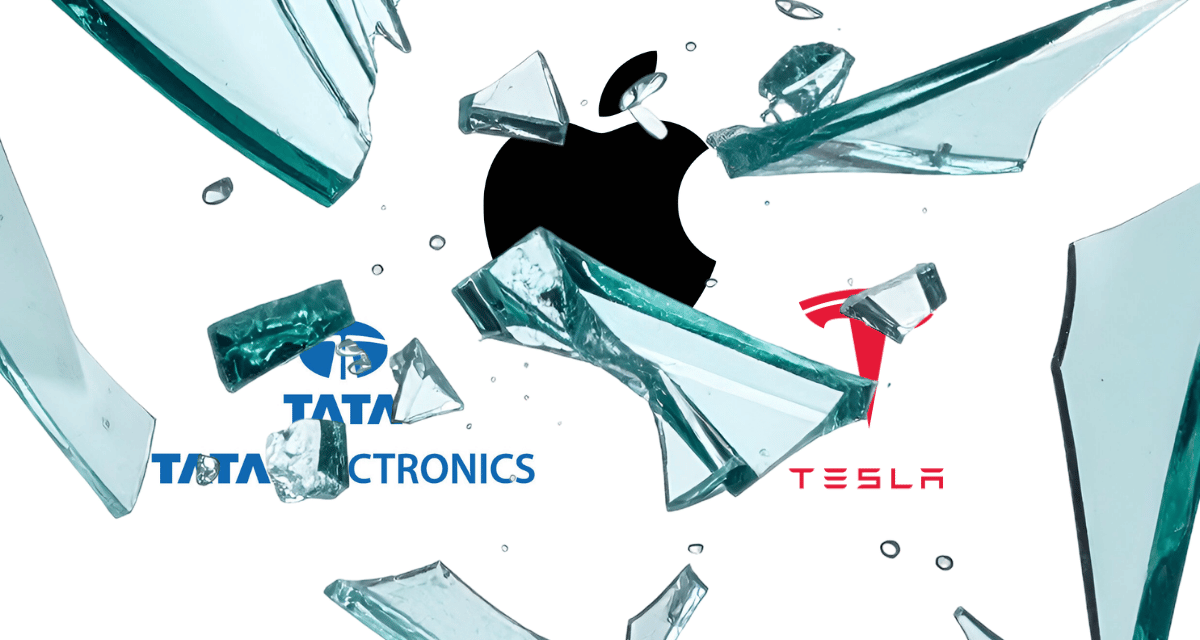
A TechCrunch report noted that it had reviewed a sample of the files and found documents that appeared to include Apple supplier specifications and Tesla manufacturing materials, though the news outlet could not independently verify whether every file was authentic, or whether the entire trove was complete. If accurate, that would point to exposure not just of Tata Electronics’ own internal data, but also of highly sensitive information tied to major customers.
The leaked cache was also described as including Outlook email conversations, SAP-related information, event logs, and employee passport copies, including documents tied to foreign nationals. Cybersecurity researcher Rajshekhar Rajaharia told TechCrunch that the forum listing appeared to include files connected to several Tata Electronics customers, among them Apple and Tesla.
Reuters has reported that Tata Electronics had begun notifying some employees at its iPhone assembly operations about the incident last week. The same report said Apple was examining its possible exposure, and that a ransom demand had been made to Tata Electronics. That combination of customer notification, internal review, and extortion pressure suggests the firm is treating the incident as a serious supply-chain security matter, not just a routine IT breach.
The incident also highlights how much risk can concentrate in global manufacturing networks. The incident is not only about stolen files, but also about the fragility of the interconnected systems that support high-volume electronics production.