

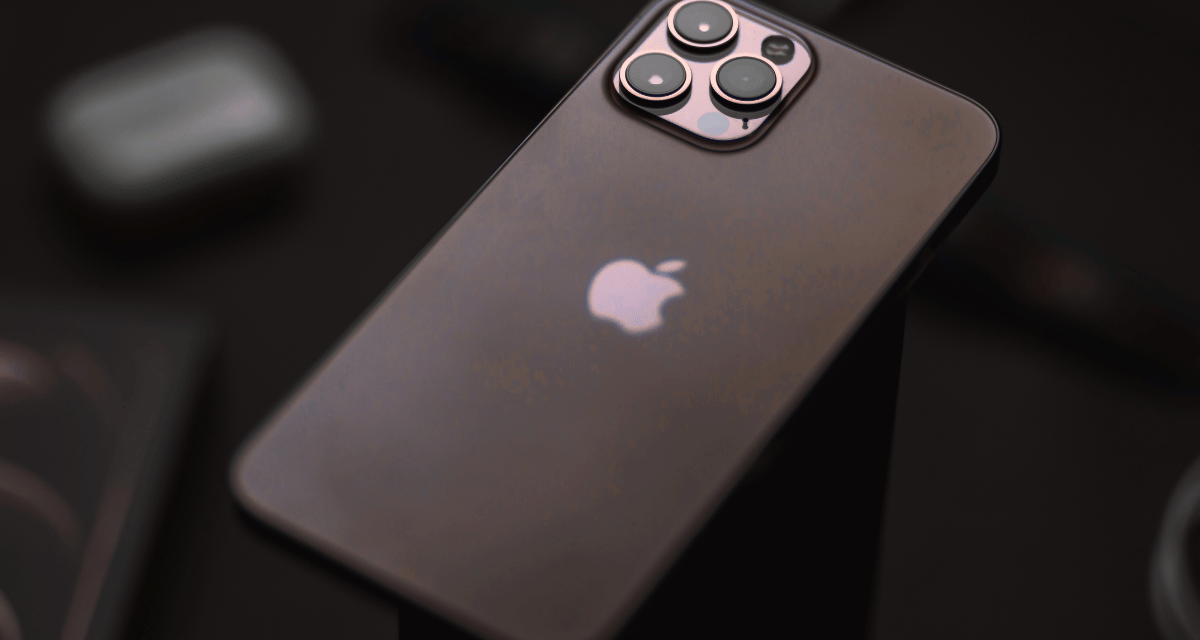
People in 110 countries have so far been notified of possible security breaches in their smart devices
Consumer electronics firm Apple has issued a fresh set of threat notifications to people in 110 countries, cautioning that their devices may have been singled out for attacks involving mercenary spyware.
Mercenary spyware refers to sophisticated surveillance products that are generally sold by private companies to governments or state-linked clients. Such tools may be used against carefully selected targets, including reporters, activists, politicians, diplomats, and other prominent figures. Apple says the typical customer is unlikely to encounter this type of attack: the operations are highly selective, difficult to detect, and can cost millions of dollars to carry out.
Sent on Thursday 13 August 2026, the alerts are among the firm’s widest-reaching notifications since this warning system was launched in 2021.
The firm has not revealed how many people received the messages, nor has it identified the suspected perpetrators — but it has now notified users in more than 150 countries since the program began.
Recipients can see the warning as a push notification on an iPhone’s Lock Screen. It says that Apple detected a mercenary spyware attack aimed at the person’s iPhone, and tells them that steps are available to protect both their information and device.
The firm also delivers notices through email and when users sign in to their accounts, broadening the likelihood that a targeted person sees the alert. The notification experience has been revised so that users can more-easily find instructions on how to respond, alongside a newly published support page about mercenary spyware and protective actions.
Alerts without full disclosures
Note that the alert should not be interpreted as proof that a phone has already been infiltrated. Instead, it reflects a high-confidence assessment that the individual had been personally targeted. Apple acknowledges that no investigation can provide complete certainty, but says these warnings must be treated seriously. It does not reveal the details of its detection methods, in part because doing so could help attackers evade future identification.
For anyone who receives a notice, Apple recommends turning on Lockdown Mode, its heightened-security setting, to make spyware intrusions significantly harder.
One senior researcher at the University of Toronto’s Citizen Lab has suggested that the alerts concern technology such as Pegasus, which governments have used to conduct surveillance. He had pointed to the case of Poland, where Apple’s warnings had contributed to the exposure of a major scandal involving the former government’s alleged use of spyware against political opponents.