How should ASEAN’s cyber community transform to be ready to address the cyber challenges in the age of AI and quantum?
In the intrusions observed by CrowdStrike in 2025, criminal attackers took an average of just 29 minutes to move from an initial foothold to another system. The fastest did so in 27 seconds.
Prevention remains essential, but no organization can assume it will escape an attack or technology failure. The question is how quickly it can see what has happened, understand which services are at risk and recover with minimal disruption.
That challenge extends beyond any one organization’s network. Essential services depend on software, cloud platforms, connectivity and suppliers across borders. ASEAN’s cyber community shares threat intelligence. It now needs to make that intelligence easier to act on.

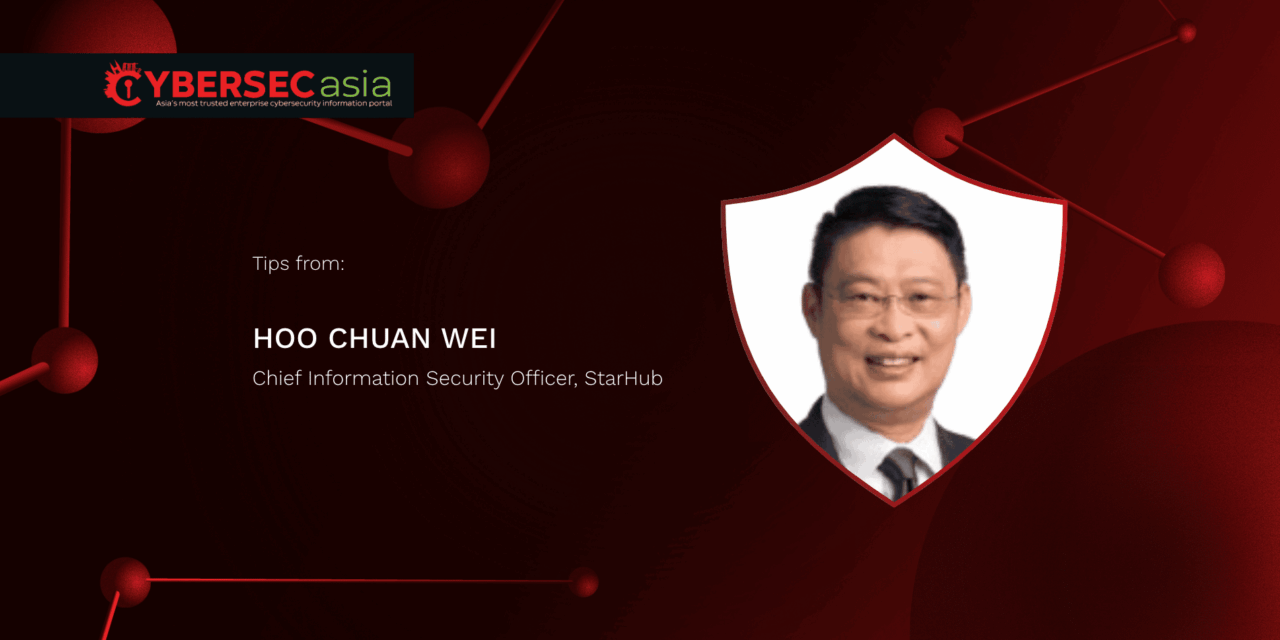
Hoo Chuan Wei,Chief Information Security Officer, StarHub
Turn shared intelligence into action
Imagine a software provider used by banks, logistics firms and utilities in four ASEAN countries is compromised on a Friday evening. Indicators of compromise are shared within hours. Each organization must still work out whether it uses the provider, which services depend on it, who can make decisions and what fallback is available.
If those answers take days, the alert has moved faster than the response.
Whether disruption starts with an intrusion or a faulty update, organizations need to establish which services are affected. A common way to describe severity, along with agreed contacts and escalation paths, would help them coordinate while there is still time to limit the impact.
Connectivity providers and operators of essential services have a responsibility to help keep the network people and businesses rely on available. We need visibility into what is connected, what enters and leaves our environment, and which customer services could be affected if a system or supplier fails. We also need to bring the right technical, business and external partners together as the situation develops.
Set boundaries before AI agents act
AI can help defenders analyze information, find vulnerabilities and investigate unusual activity faster. Attackers can use it to find weaknesses too. As AI systems gain the ability to act across connected tools, an error or manipulation could affect more than the task an agent was meant to perform.
Before granting an AI agent access, organizations need to know what it can see, what data it can move and which systems it can change. They must also understand what could happen if it makes a mistake or is manipulated.
Safeguards should match the potential impact. An assistant reviewing alerts presents a different risk from an agent able to change a live system. Where an action could materially affect customers or an essential service, a person must remain accountable and able to intervene.
At StarHub, for instance, we are constantly testing AI models and working across our technology and security functions to develop appropriate guardrails. Trusted regional channels for sharing attack patterns and lessons from deployment would help others learn before an incident forces the lesson.
Map quantum dependencies now
No one can say precisely when quantum computing will be able to break widely used encryption. Information that must remain confidential for many years could, however, be collected today and decrypted later.
The first step is to identify which information needs long-term protection, what protects it today and which critical functions depend on it. A bank’s plan to update its systems may depend on its cloud provider, which in turn may depend on a network operator. Each needs enough visibility into the others’ plans to prepare.
Quantum readiness is therefore a regional coordination challenge. Governments, operators of essential services and technology providers should identify shared dependencies while there is still time to address them.
Measure resilience by recovery
Cybersecurity teams cannot decide alone which services must be restored first or how much disruption the business can tolerate. Business leaders need to identify critical functions through business impact analysis and propose how they would continue operating or recover. Executive teams must agree on the priorities and trade-offs before an incident.
Those decisions need regular review as systems, suppliers and customer expectations change. Exercises should test whether organizations can identify affected services, bring the right people together and make recovery decisions under pressure.
AI and quantum computing will change the threats the region faces. ASEAN’s cyber community need to do more than share warnings. It needs to turn a common understanding of what is happening into decisions that protect essential services and support a faster recovery.