

Cybersecurity News in Asia

RECENT STORIES:

SEGA moves faster with flow-based network monitoring
AI pioneers and scientists urge international oversight to contain adv...
Advancing OT Cyber Readiness and Resilience in Southeast Asia
New AI supply chain threats that security teams need to manage
Deepfakes and impersonators can fool people, but they should not bypas...
FOMO Pay expands cross-border compliance infrastructure amid rising fr...
LOGIN REGISTER
CybersecAsia
  • Features
    • Featured

      Advancing OT Cyber Readiness and Resilience in Southeast Asia

      Advancing OT Cyber Readiness and Resilience in Southeast Asia

      Wednesday, October 14, 2026, 10:00 AM Asia/Singapore | Features, News, Newsletter, Sponsored
    • Featured

      How CISOs can set human boundaries for autonomous cybersecurity

      How CISOs can set human boundaries for autonomous cybersecurity

      Wednesday, October 7, 2026, 11:05 AM Asia/Singapore | Features, Newsletter, Tips
    • Featured

      Securing the agentic enterprise – at machine speed

      Securing the agentic enterprise – at machine speed

      Tuesday, October 6, 2026, 5:00 PM Asia/Singapore | Features, Newsletter
  • Opinions
  • Tips
  • Whitepapers
  • AWARDS 2026
  • Directory
  • E-Learning

Select Page

Tips

6 practical steps to strengthening M&A cyber due diligence

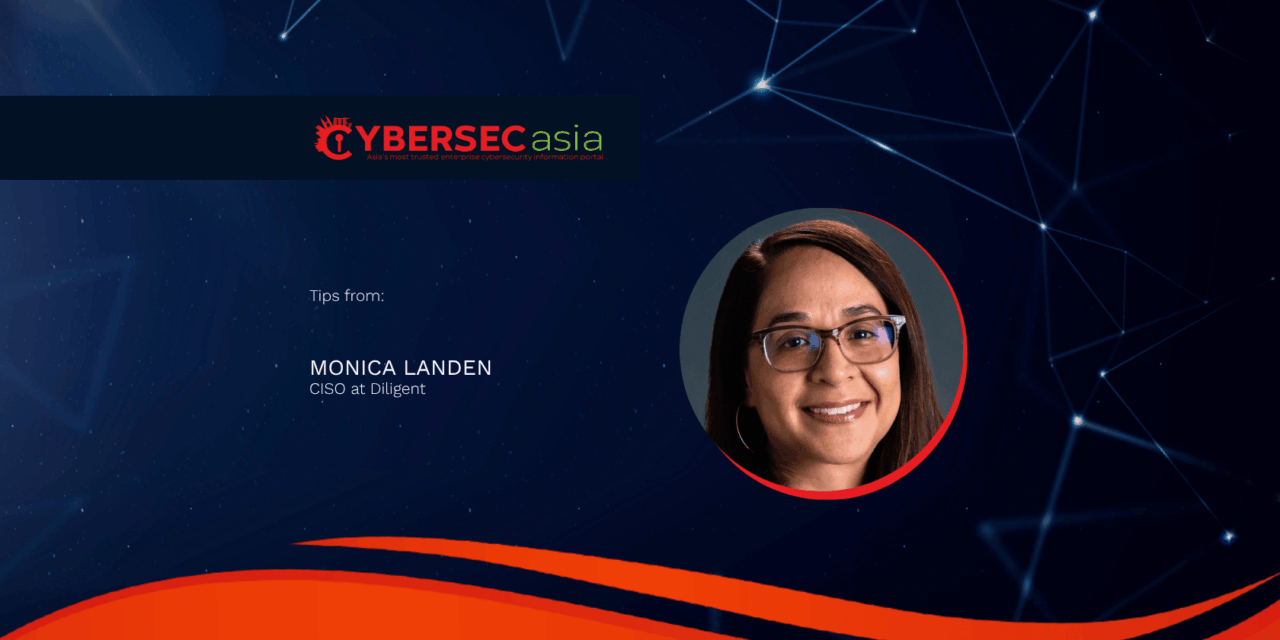
By Monica Landen, Chief Information Security Officer, Diligent | Tuesday, October 28, 2025, 2:10 PM Asia/Singapore

6 practical steps to strengthening M&A cyber due diligence

With more complicated deals comes a heightened risk of cybersecurity threats, which can have a significant impact on the success of these M&A transactions.

After a subdued period for dealmaking, global mergers and acquisitions (M&As) are regaining momentum in 2025, with total value surpassing US$3.5 trillion, the highest since 2021.

Asia-Pacific reflects the global rebound with its own nuances: deal values have climbed 14% this year even as volumes fell by 8%, suggesting that organizations are prioritizing fewer, but larger and more complex transactions.

A recent global Diligent study found that 97% of organizations face challenges in “transaction readiness” – their ability to navigate capital deals such as M&As or partnerships efficiently. Notably, 11% of respondents reported inadequate technology infrastructure, such as a lack of secure virtual data rooms and documents saved in disparate locations, which can exacerbate cybersecurity risks

Factors such as cloud migration, third-party integrations, and the growing use of AI in business operations have expanded the attack surface and introduced new governance challenges that traditional due diligence may not capture.

Without structured processes and the right technology to track risks, organizations may miss critical financial, legal, operational, compliance or cybersecurity issues before signing a deal. These gaps can lead to unexpected liabilities, regulatory penalties, or operational setbacks post-close.

Addressing heightened cyber risks

A robust cyber assessment of M&A targets is therefore crucial, as it provides acquirers with clear visibility into the target’s risk posture and data protection practices – factors that can materially influence valuation and post-merger integration.

For cybersecurity leaders, this means close collaboration with legal, finance, and compliance teams to ensure findings are reflected in deal terms and integration planning.

So, what can organizations and their security teams do to embed cyber due diligence more effectively into the M&A process? Here are six practical steps:

  1. Build a clear risk profile: Begin by mapping the target’s technology environment, identifying critical systems, data assets, and third-party connections that could introduce vulnerabilities. A thorough risk profile should account for regulatory and contractual requirements governing data protection, processing, and sharing. This helps uncover potential legal exposures and ensures alignment with the acquirer’s compliance framework.
  2. Create an accurate asset inventory: Visibility is fundamental.Catalog all hardware, software, domains, cloud services, and data repositories, documenting ownership, dependencies, and protection measures. Understanding the target’s existing infrastructure enables informed risk assessments, limits integration challenges and helps avoid costly remediation after the deal closes.
  3. Evaluate the risk-management programme: To evaluate the cyber risk-management practices, assess incident response maturity and governance, including how past incidents have been handled to determine whether lessons were learned and controls improved. This involves reviewing recovery processes, documentation, and key security policies, as well as requesting compliance reports like SOC 2 or ISO 27001 to gauge control strength and regulatory alignment.
  4. Analyze technology and integration readiness: Confirm whether the target’s systems align with the acquirer’s architecture, security controls, and compliance requirements. Assess interoperability across infrastructure, applications, and cloud environments, identifying technical debt or unsupported technologies. Reviewing documentation helps anticipate challenges and plan remediation for a smoother post-deal transition.
  5. Define and limit access levels: During and after the transaction, access permissions must be tightly controlled to prevent unauthorized exposure of sensitive information. Excessive or inherited access rights are among the most common post-merger vulnerabilities. Apply least-access principles so that users only have the data privileges necessary for their role.
  6. Monitor risks post-deal: Cyber due diligence continues well beyond closing, with continuous monitoring vital to detect new vulnerabilities and policy misalignments. With 60% of organizations still operating siloed GRC and finance systems, a clear, disciplined roadmap that aligns security with business objectives ensures visibility, reduces risk, and helps protect the value of the acquisition.

A step closer to transaction readiness

Ultimately, cyber due diligence is as much about discipline as it is about foresight. It provides the steadiness needed to ensure that technology, data and trust remain intact when two organizations become one.

Leveraging comprehensive M&A due diligence, with the right tools in place, ensures teams can uncover hidden risks and make informed decisions before committing to a transaction.

Share:

PreviousEmergency patch issued as WSUS vulnerability exposes organizations to RCE threats
NextBiometrics and the digital identity crisis today

Related Posts

As the hardest-hit region, APAC needs to watch these five cyber-threats

As the hardest-hit region, APAC needs to watch these five cyber-threats

Tuesday, January 19, 2021

What AI worries keep members of the Association of Certified Fraud Examiners sleepless?

What AI worries keep members of the Association of Certified Fraud Examiners sleepless?

Wednesday, November 26, 2025

Know the top 3 challenges of adopting hacker-powered security

Know the top 3 challenges of adopting hacker-powered security

Tuesday, July 21, 2020

Beware! Study finds yearly surge in business logic attacks

Beware! Study finds yearly surge in business logic attacks

Thursday, November 30, 2023

Leave a reply Cancel reply

You must be logged in to post a comment.

Voters-draw/RCA-Sponsors

Slide
Slide
Slide
Slide
Slide
Slide
Slide
Slide
Slide
Slide
Slide
Slide
Slide
Slide
Slide
Slide
Slide
Slide
Slide
previous arrow
next arrow

CybersecAsia Voting Placement

Gamification listing or Participate Now

LEARN MORE

Vote Now -Placement(Google Ads)

Top-Sidebar-banner

Whitepapers

  • Critical Security Threatsand the Need for ZTNA: How evolving cyberattacks demand a Zero Trust approach

    Critical Security Threatsand the Need for ZTNA: How evolving cyberattacks demand a Zero Trust approach

    Cyber threats have become more frequent and sophisticated, targeting organizations of all sizes across all …Download Whitepaper
  • Zero Trust Made Simple: Why it matters and how to get started

    Zero Trust Made Simple: Why it matters and how to get started

    Data breaches and cyberattacks are no longer limited to large, high-profile organizations.Download Whitepaper
  • Cloud Secure Edge: Remote access, better security

    Cloud Secure Edge: Remote access, better security

    ​SonicWall Cloud Secure Edge™ is a modern, cloud-native Security Service Edge (SSE) solution that addresses …Download Whitepaper
  • Closing the Gap in Email Security:How To Stop The 7 Most SinisterAI-Powered Phishing Threats

    Closing the Gap in Email Security:How To Stop The 7 Most SinisterAI-Powered Phishing Threats

    Insider threats continue to be a major cybersecurity risk in 2024. Explore more insights on …Download Whitepaper

Middle-sidebar-banner

Case Studies

  • FOMO Pay expands cross-border compliance infrastructure amid rising fraud risks

    FOMO Pay expands cross-border compliance infrastructure amid rising fraud risks

    To unify onboarding and ongoing reviews the payment firm adds identity, liveness, business-ownership, sanctions screening …Read more
  • How a Vietnamese D2C retailer built its own secure digital infrastructure

    How a Vietnamese D2C retailer built its own secure digital infrastructure

    Would your organization build your own digital infrastructure – including AI governance and cybersecurity – …Read more
  • Cyber protection for medical clinics in Singapore

    Cyber protection for medical clinics in Singapore

    As Singapore’s healthcare sector becomes increasingly digital and interconnected, clinics are facing heightened cyber risks, …Read more
  • India’s WazirX strengthens governance and digital asset security

    India’s WazirX strengthens governance and digital asset security

    Revamping its custody infrastructure using multi‑party computation tools has improved operational resilience and institutional‑grade safeguardsRead more

Bottom sidebar

Other News

  • From Defence Cooperation to Shared Security: Building a Resilient Pakistan-China Partnership

    Friday, October 9, 2026
    QINGDAO, China, Oct. 9, 2026 …Read More »
  • CyberDSA Sets 19 – 21 October 2027 Return as Industry Participation Builds at Fourth Edition

    Thursday, October 8, 2026
    CyberDSA moves towards its milestone …Read More »
  • CyberLogitec Brings Tag-Free Collision Prevention to Busan New Port

    Tuesday, October 6, 2026
    Digital twin places workers and …Read More »
  • Aligning with Global Regulations: iMQ Technology’s SQ713x Secure Element Achieves SESIP and PSA Certified Level 3

    Monday, October 5, 2026
    Passes Keysight’s physical attack testing …Read More »
  • Cymulate Receives Frost & Sullivan’s 2026 Indian Competitive Strategy Leadership Recognition for Advancing Continuous Security Validation

    Monday, October 5, 2026
    The recognition highlights Cymulate’s competitive …Read More »
  • Our Brands
  • DigiconAsia
  • MartechAsia
  • Home
  • About Us
  • Contact Us
  • Sitemap
  • Privacy & Cookies
  • Terms of Use
  • Advertising & Reprint Policy
  • Media Kit
  • Subscribe
  • Manage Subscriptions
  • Newsletter

Copyright © 2026 CybersecAsia All Rights Reserved.