
Cybersecurity News in Asia

RECENT STORIES:

SEGA moves faster with flow-based network monitoring
Zero-day exploit disclosed hours after massive Patch Tuesday release
Bringing cybercriminals to justice in APAC
Cyber resilience – a national security imperative
Critical VPN vulnerability actively exploited to bypass authentication...
When AI can weaponize software patches in working exploits within minu...
LOGIN REGISTER
CybersecAsia
  • Features
    • Featured

      Bringing cybercriminals to justice in APAC

      Bringing cybercriminals to justice in APAC

      Thursday, June 11, 2026, 10:30 AM Asia/Singapore | Features
    • Featured

      Cyber resilience – a national security imperative

      Cyber resilience – a national security imperative

      Wednesday, June 10, 2026, 3:09 PM Asia/Singapore | Features
    • Featured

      Asia Pacific’s unique cyberthreats

      Asia Pacific’s unique cyberthreats

      Monday, June 8, 2026, 5:04 PM Asia/Singapore | Features
  • Opinions
  • Tips
  • Whitepapers
  • AWARDS 2026
  • Directory
  • E-Learning

Select Page

News

The days of multi-factor authentication SMS alerts are numbered

By CybersecAsia editors | Friday, May 22, 2026, 12:23 PM Asia/Singapore

The days of multi-factor authentication SMS alerts are numbered

Attackers used social engineering, MFA prompts, Azure tools, Graph API, Key Vault, and VMAccess to infiltrate accounts, persist access, exfiltrate data.

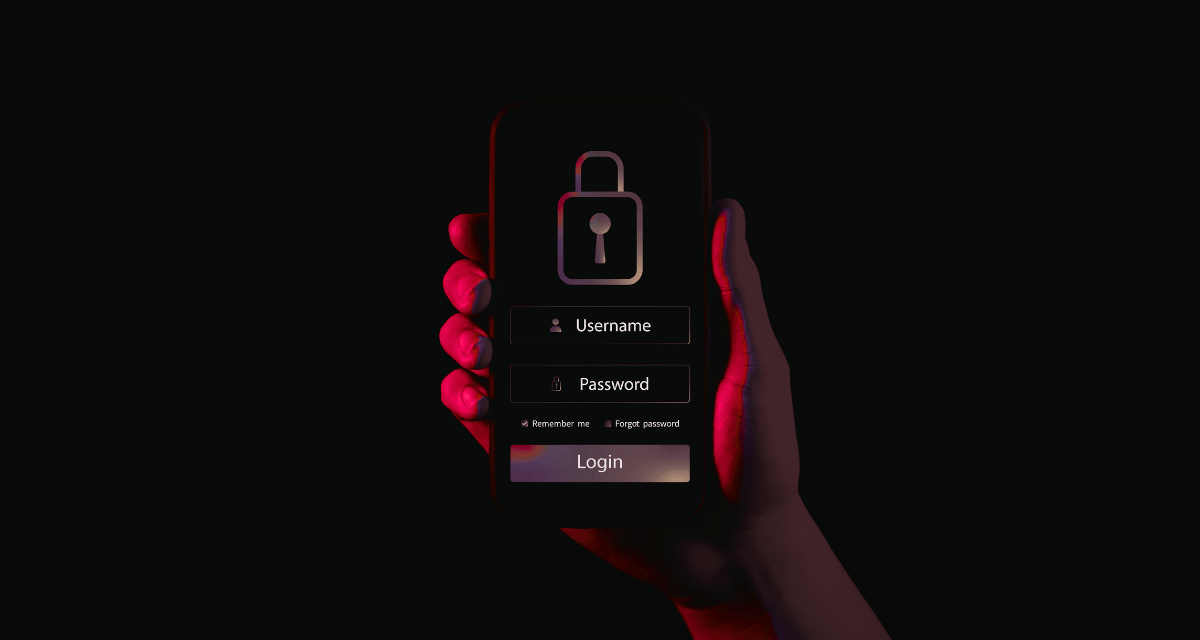
In the recent Storm-2949 campaign, attackers had focused on Microsoft 365 and Azure environments, and had used social engineering to pose as internal IT support. Victims were tricked into approving multi-factor authentication prompts (MFA), during what seemed like routine password reset activity — giving the attackers a foothold in the account recovery process.

Once inside, the group had reportedly reset passwords, removed existing authentication methods, and enrolled their own devices so they could keep access. From there, the attackers moved deeper into cloud environments using legitimate administrative tools and permissions rather than obvious malware.

Now, Microsoft is phasing out SMS-based login codes for personal accounts, as it pushes users toward passkeys, authenticator apps, and verified email recovery. The change comes as the firm also warns that attackers are increasingly abusing identity systems rather than breaking them with malware. Storm-2949 attacks had used Azure features, Graph API queries, Key Vault access, the Run command, and VMAccess extensions to blend into normal operations while exfiltrating data from Microsoft 365, storage accounts, databases, and production web apps. That approach made the activity harder to spot and underscored how much damage can follow a single compromised identity.

Security researchers say the shift reflects a broader industry lesson: text-message verification is convenient, but it is also vulnerable to phishing, SIM swapping, and social engineering. Microsoft’s own guidance now emphasizes phishing-resistant MFA, including passkeys and FIDO2-style methods. That recommendation matters because attackers in campaigns like Storm-2949 have shown they can work around traditional defenses by tricking users into approving prompts instead of stealing passwords outright.

The firm has also issued defensive advice to firms: require phishing-resistant MFA for privileged users, enforce least-privilege access, monitor risky management actions, and reduce dependence on legacy authentication paths. Also, stronger logging, careful control of Azure extensions, and broader Defender protections across cloud workloads are recommended.

This is a signal that identity is now the main attack surface, and securing it has become as important as protecting the network itself.

Share:

PreviousIs secure issuance a solved problem, or is the debate more complex?
NextLRQA Calls for Stronger AI Governance and Cyber Resilience Frameworks at CyberSecMY 2026

Related Posts

Crypto stealer malware attacks Chinese-speaking online gamblers in SEA

Crypto stealer malware attacks Chinese-speaking online gamblers in SEA

Friday, May 5, 2023

Out with emotet, in with trickbot: February 2021’s most wanted malware

Out with emotet, in with trickbot: February 2021’s most wanted malware

Monday, March 15, 2021

Real estate logistics provider GLP steps up to zero trust architecture

Real estate logistics provider GLP steps up to zero trust architecture

Friday, April 19, 2024

Another wakeup call about the risks of AI-driven development tools

Another wakeup call about the risks of AI-driven development tools

Monday, December 1, 2025

Leave a reply Cancel reply

You must be logged in to post a comment.

Voters-draw/RCA-Sponsors

Slide
Slide
Slide
Slide
Slide
Slide
Slide
Slide
Slide
Slide
Slide
Slide
Slide
Slide
previous arrow
next arrow

CybersecAsia Voting Placement

Gamification listing or Participate Now

PARTICIPATE NOW

Vote Now -Placement(Google Ads)

Top-Sidebar-banner

Whitepapers

  • Closing the Gap in Email Security:How To Stop The 7 Most SinisterAI-Powered Phishing Threats

    Closing the Gap in Email Security:How To Stop The 7 Most SinisterAI-Powered Phishing Threats

    Insider threats continue to be a major cybersecurity risk in 2024. Explore more insights on …Download Whitepaper
  • 2024 Insider Threat Report: Trends, Challenges, and Solutions

    2024 Insider Threat Report: Trends, Challenges, and Solutions

    Insider threats continue to be a major cybersecurity risk in 2024. Explore more insights on …Download Whitepaper
  • AI-Powered Cyber Ops: Redefining Cloud Security for 2025

    AI-Powered Cyber Ops: Redefining Cloud Security for 2025

    The future of cybersecurity is a perfect storm: AI-driven attacks, cloud expansion, and the convergence …Download Whitepaper
  • Data Management in the Age of Cloud and AI

    Data Management in the Age of Cloud and AI

    In today’s Asia Pacific business environment, organizations are leaning on hybrid multi-cloud infrastructures and advanced …Download Whitepaper

Middle-sidebar-banner

Case Studies

  • How a Vietnamese D2C retailer built its own secure digital infrastructure

    How a Vietnamese D2C retailer built its own secure digital infrastructure

    Would your organization build your own digital infrastructure – including AI governance and cybersecurity – …Read more
  • Cyber protection for medical clinics in Singapore

    Cyber protection for medical clinics in Singapore

    As Singapore’s healthcare sector becomes increasingly digital and interconnected, clinics are facing heightened cyber risks, …Read more
  • India’s WazirX strengthens governance and digital asset security

    India’s WazirX strengthens governance and digital asset security

    Revamping its custody infrastructure using multi‑party computation tools has improved operational resilience and institutional‑grade safeguardsRead more
  • Bangladesh LGED modernizes communication while addressing data security concerns

    Bangladesh LGED modernizes communication while addressing data security concerns

    To meet emerging data localization/privacy regulations, the government engineering agency deploys a secure, unified digital …Read more

Bottom sidebar

Other News

  • Cohesity Gains Access to Anthropic’s Claude Mythos Preview Through Project Glasswing

    Tuesday, June 9, 2026
    Strengthening the Cohesity Data Cloud …Read More »
  • Cohesity Gains Access to Anthropic’s Claude Mythos Preview Through Project Glasswing

    Tuesday, June 9, 2026
    Strengthening the Cohesity Data Cloud …Read More »
  • Uhale Adopts Quokka’s Q-mast to Strengthen Application Security Testing

    Tuesday, June 9, 2026
    Integration of automated security testing …Read More »
  • Uhale Adopts Quokka’s Q-mast to Strengthen Application Security Testing

    Tuesday, June 9, 2026
    Integration of automated security testing …Read More »
  • SU Group Awarded Next-Generation Cross-Border Security and High-Speed Vehicle Clearance System Installation

    Thursday, June 4, 2026
    HONG KONG, June 4, 2026 …Read More »
  • Our Brands
  • DigiconAsia
  • MartechAsia
  • Home
  • About Us
  • Contact Us
  • Sitemap
  • Privacy & Cookies
  • Terms of Use
  • Advertising & Reprint Policy
  • Media Kit
  • Subscribe
  • Manage Subscriptions
  • Newsletter

Copyright © 2026 CybersecAsia All Rights Reserved.