
Cybersecurity News in Asia

RECENT STORIES:

SEGA moves faster with flow-based network monitoring
CyberDSA 2026 Draws Global Cyber Leaders for High-Level Talks on AI, D...
The 3rd GTI Forum on Digital Intelligence, Hong Kong Advances Global I...
Nearly Half of Reported Scam Incidents Go Unresolved Across Southeast ...
Futurise Impact Report 2025 Highlights Progress in Regulatory Innovati...
As more AI agents go rogue, a chief scientist issues a timely warning
LOGIN REGISTER
CybersecAsia
  • Features
    • Featured

      The recovery-first approach to data resilience

      The recovery-first approach to data resilience

      Monday, September 7, 2026, 4:21 PM Asia/Singapore | Features
    • Featured

      Dealing with agentic AI governance and resilience challenges

      Dealing with agentic AI governance and resilience challenges

      Tuesday, September 1, 2026, 11:51 AM Asia/Singapore | Features
    • Featured

      How well do you know your agent?

      How well do you know your agent?

      Thursday, August 20, 2026, 3:21 PM Asia/Singapore | Features
  • Opinions
  • Tips
  • Whitepapers
  • AWARDS 2026
  • Directory
  • E-Learning

Select Page

News

Dutch spy agencies warn of Russian hackers hijacking encrypted messaging accounts

By CybersecAsia editors | Thursday, March 12, 2026, 10:04 AM Asia/Singapore

Dutch spy agencies warn of Russian hackers hijacking encrypted messaging accounts

A joint-agency alert details phishing campaigns that trick officials into surrendering security codes, exploiting linked devices to spy on sensitive communications.

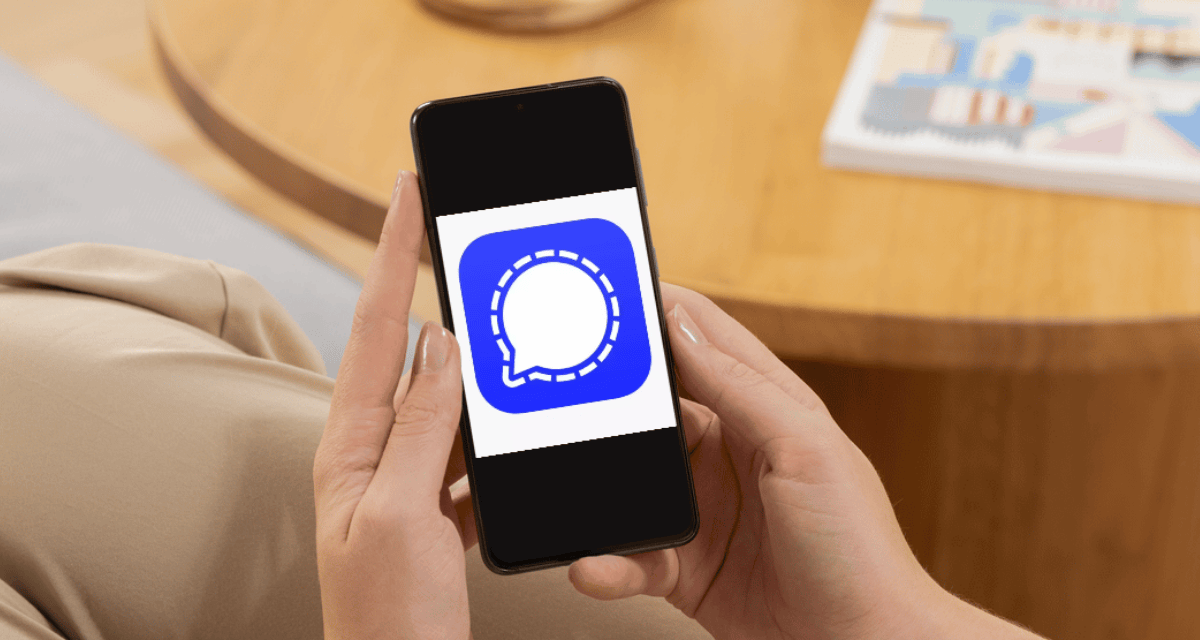
Dutch intelligence services say Russian state-backed hackers are running a global phishing operation to hijack Signal and WhatsApp accounts used by officials, military personnel, civil servants, and journalists.

The campaign, which has already hit Dutch government employees, is focused on seizing individual accounts rather than breaking the apps’ end-to-end encryption.

In a joint alert on 9 March 2026, the General Intelligence and Security Service (AIVD) and the Military Intelligence and Security Service (MIVD) warned that Russian operators contact targets directly on these platforms and pressure them into revealing one-time security codes or PINs. Specifically:

  • The attackers frequently pose as a Signal “Support” chatbot to make the request appear legitimate, then use the stolen codes to assume full control of the account and quietly monitor private and group conversations.
  • Investigators say the operation also abuses the apps’ linked-device features, which allow users to connect desktops or secondary phones to their accounts.
  • If an attacker successfully registers their own device, they can mirror all incoming and outgoing messages without needing to defeat the underlying encryption.
  • Warning signs include contacts suddenly appearing twice or being relabeled as “deleted account”.

Russian hackers are believed to have “likely” accessed sensitive data via compromised account, and the campaign may extend beyond Dutch targets to other officials and media figures of interest to Moscow. The very popularity of encrypted messaging among policymakers and reporters makes these accounts attractive espionage targets once an attacker can log in as the user.

MIVD chief Vice Admiral Peter Reesink has cautioned that, consumer messaging apps should not be treated as suitable channels for classified or highly confidential communications despite their encryption features.

The Netherlands, which hosts international courts and supports Ukraine, is seen as a prime target for Russian intelligence collection, the agencies noted in earlier reporting. Dutch authorities have issued a cyber advisory to public-sector organizations and are assisting victims with incident response and account hardening.

WhatsApp’s parent company, Meta, has said users should never share their six-digit verification codes, and point to existing guidance on account security, while Signal did not immediately comment on the Dutch warning.


Share:

PreviousGlobe Teleservices Announces Partnership with Myanma Posts and Telecommunications to Enhance Secure Messaging and Customer Experience
NextWhen AI adoption outpaces security, organizations struggle for collective safety

Related Posts

Deepfakes to hit enterprises and consumers in a bigger way in 2024

Deepfakes to hit enterprises and consumers in a bigger way in 2024

Friday, February 9, 2024

Asia Pacific firms face rising levels of fraud

Asia Pacific firms face rising levels of fraud

Friday, July 2, 2021

Zero-day vulnerabilities expose AI agents to hijacking across enterprise messaging platforms

Zero-day vulnerabilities expose AI agents to hijacking across enterprise messaging platforms

Monday, June 8, 2026

Ignoring deepfakes – a risky gamble for CXOs

Ignoring deepfakes – a risky gamble for CXOs

Tuesday, November 12, 2024

Leave a reply Cancel reply

You must be logged in to post a comment.

Voters-draw/RCA-Sponsors

Slide
Slide
Slide
Slide
Slide
Slide
Slide
Slide
Slide
Slide
Slide
Slide
Slide
Slide
Slide
Slide
Slide
Slide
Slide
previous arrow
next arrow

CybersecAsia Voting Placement

Gamification listing or Participate Now

PARTICIPATE NOW

Vote Now -Placement(Google Ads)

Top-Sidebar-banner

Whitepapers

  • Critical Security Threatsand the Need for ZTNA: How evolving cyberattacks demand a Zero Trust approach

    Critical Security Threatsand the Need for ZTNA: How evolving cyberattacks demand a Zero Trust approach

    Cyber threats have become more frequent and sophisticated, targeting organizations of all sizes across all …Download Whitepaper
  • Zero Trust Made Simple: Why it matters and how to get started

    Zero Trust Made Simple: Why it matters and how to get started

    Data breaches and cyberattacks are no longer limited to large, high-profile organizations.Download Whitepaper
  • Cloud Secure Edge: Remote access, better security

    Cloud Secure Edge: Remote access, better security

    ​SonicWall Cloud Secure Edge™ is a modern, cloud-native Security Service Edge (SSE) solution that addresses …Download Whitepaper
  • Closing the Gap in Email Security:How To Stop The 7 Most SinisterAI-Powered Phishing Threats

    Closing the Gap in Email Security:How To Stop The 7 Most SinisterAI-Powered Phishing Threats

    Insider threats continue to be a major cybersecurity risk in 2024. Explore more insights on …Download Whitepaper

Middle-sidebar-banner

Case Studies

  • How a Vietnamese D2C retailer built its own secure digital infrastructure

    How a Vietnamese D2C retailer built its own secure digital infrastructure

    Would your organization build your own digital infrastructure – including AI governance and cybersecurity – …Read more
  • Cyber protection for medical clinics in Singapore

    Cyber protection for medical clinics in Singapore

    As Singapore’s healthcare sector becomes increasingly digital and interconnected, clinics are facing heightened cyber risks, …Read more
  • India’s WazirX strengthens governance and digital asset security

    India’s WazirX strengthens governance and digital asset security

    Revamping its custody infrastructure using multi‑party computation tools has improved operational resilience and institutional‑grade safeguardsRead more
  • Bangladesh LGED modernizes communication while addressing data security concerns

    Bangladesh LGED modernizes communication while addressing data security concerns

    To meet emerging data localization/privacy regulations, the government engineering agency deploys a secure, unified digital …Read more

Bottom sidebar

Other News

  • CyberDSA 2026 Draws Global Cyber Leaders for High-Level Talks on AI, Digital Trust and Critical Infrastructure

    Friday, September 11, 2026
    Minister of Digital Malaysia YB …Read More »
  • The 3rd GTI Forum on Digital Intelligence, Hong Kong Advances Global Inclusive AI Development

    Thursday, September 10, 2026
    HONG KONG, Sept. 10, 2026 …Read More »
  • Nearly Half of Reported Scam Incidents Go Unresolved Across Southeast Asia, Undermining Digital Trust, New GSMA Findings Reveal

    Wednesday, September 9, 2026
    Two new GSMA reports launched …Read More »
  • Futurise Impact Report 2025 Highlights Progress in Regulatory Innovation Future-Ready Technologies

    Wednesday, September 9, 2026
    CYBERJAYA, Malaysia, Sept. 9, 2026 …Read More »
  • Parseur Achieves SOC 2 Type II Compliance with Oneleet, Strengthening Enterprise-Grade Security for AI Document Processing

    Tuesday, September 8, 2026
    AI document processing platform serving …Read More »
  • Our Brands
  • DigiconAsia
  • MartechAsia
  • Home
  • About Us
  • Contact Us
  • Sitemap
  • Privacy & Cookies
  • Terms of Use
  • Advertising & Reprint Policy
  • Media Kit
  • Subscribe
  • Manage Subscriptions
  • Newsletter

Copyright © 2026 CybersecAsia All Rights Reserved.