Cybersecurity News in Asia

RECENT STORIES:

SEGA moves faster with flow-based network monitoring
Critical RCE vulnerability discovered in open source content managemen...
Jailbroken AI deploys and migrates botnet infrastructure in six minute...
Singtel Receives Four Frost & Sullivan 2026 Recognitions for Leade...
AI agents are turning “always‑on” access into a ghost admin problem...
Sports loses trust as fans compete with bots
LOGIN REGISTER
CybersecAsia
  • Features
    • Featured

      S E Asia governments targeted by cyber-espionage group

      S E Asia governments targeted by cyber-espionage group

      Tuesday, June 23, 2026, 8:00 AM Asia/Singapore | Features
    • Featured

      Rethinking network and infrastructure design for resilience

      Rethinking network and infrastructure design for resilience

      Thursday, June 18, 2026, 2:17 PM Asia/Singapore | Features
    • Featured

      Bringing cybercriminals to justice in APAC

      Bringing cybercriminals to justice in APAC

      Thursday, June 11, 2026, 10:30 AM Asia/Singapore | Features
  • Opinions
  • Tips
  • Whitepapers
  • AWARDS 2026
  • Directory
  • E-Learning

Select Page

News

Beware of new phishing attack vector coming your way

By CybersecAsia editors | Tuesday, November 11, 2025, 8:30 AM Asia/Singapore

Beware of new phishing attack vector coming your way

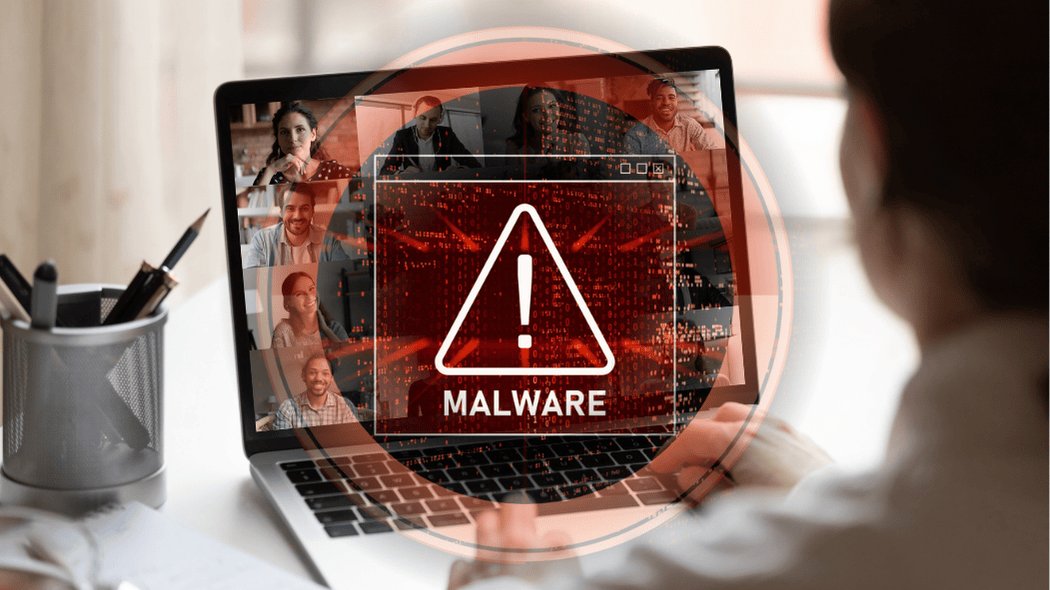
Anyone could soon target you for a chat session, using a new feature enabled by default in a popular collaboration tool.

While the world tries to plug every loophole and risk that could expose people to phishing attacks, one software giant is toying with just the opposite.

In a feature expected to roll out starting November 2025, users of Microsoft Teams will be able to initiate chats with anyone just by supplying an email address, without requiring the recipient to be a Teams user.

This update, aimed at enhancing seamless collaboration across platforms such as Android, desktop, iOS, Linux, and Mac, allows external guest users to join conversations via email invites under Microsoft Entra B2B Guest policies. While it aims to improve flexibility in communication, cybersecurity experts have raised alarms about significant security risks associated with the default-enabled setting.

The primary concern is the increased attack surface:

  • By allowing external email-based chat initiations without prior validation or vetting, the feature opens avenues for phishing attacks and malware distribution. Malicious actors could send spoofed chat invites posing as trusted contacts or business partners, tricking employees into clicking harmful links, sharing credentials, or unknowingly exposing proprietary information.
  • This vector is likened to OAuth phishing campaigns, which rely heavily on impersonation to harvest sensitive data. The risks are compounded because file exchanges within Teams may bypass traditional email security filters, raising the threat of ransomware or spyware infiltrations.
  • Microsoft advises organizations to update internal policies and train staff on the new functionality. Administrators can mitigate risks by disabling the feature through PowerShell, using the TeamsMessagingPolicy attribute ‘UseB2BInvitesToAddExternalUsers’ set to false, thus restricting chats to vetted external users only.

Experts recommend additional security measures such as enforcing multi-factor authentication, conducting regular audits, and running comprehensive phishing awareness training.

Overall, while the new Teams feature offers improved external communication capabilities, the illogical choice to enable it by default will place the onus of security and privacy vigilance on users.

Share:

PreviousAPAC Threat Intelligence Latest Insights: 79% of Enterprises to Increase Investment in Threat Intelligence
NextSep–Nov 2025 data breaches in review: Prevention and proactive-ness are key

Related Posts

The “C” at the C-level does not refer to “cyber resilience”

The “C” at the C-level does not refer to “cyber resilience”

Tuesday, October 24, 2023

Qualcomm “Hole” exposes mobile payment credentials

Qualcomm “Hole” exposes mobile payment credentials

Monday, November 18, 2019

Which comes first? AI or data security?

Which comes first? AI or data security?

Thursday, July 15, 2021

No Olympics spectators? No problem for cybercriminals

No Olympics spectators? No problem for cybercriminals

Thursday, July 29, 2021

Leave a reply Cancel reply

You must be logged in to post a comment.

Voters-draw/RCA-Sponsors

Slide

CybersecAsia Voting Placement

Gamification listing or Participate Now

PARTICIPATE NOW

Vote Now -Placement(Google Ads)

Top-Sidebar-banner

Whitepapers

  • Critical Security Threatsand the Need for ZTNA: How evolving cyberattacks demand a Zero Trust approach

    Critical Security Threatsand the Need for ZTNA: How evolving cyberattacks demand a Zero Trust approach

    Cyber threats have become more frequent and sophisticated, targeting organizations of all sizes across all …Download Whitepaper
  • Zero Trust Made Simple: Why it matters and how to get started

    Zero Trust Made Simple: Why it matters and how to get started

    Data breaches and cyberattacks are no longer limited to large, high-profile organizations.Download Whitepaper
  • Cloud Secure Edge: Remote access, better security

    Cloud Secure Edge: Remote access, better security

    ​SonicWall Cloud Secure Edge™ is a modern, cloud-native Security Service Edge (SSE) solution that addresses …Download Whitepaper
  • Closing the Gap in Email Security:How To Stop The 7 Most SinisterAI-Powered Phishing Threats

    Closing the Gap in Email Security:How To Stop The 7 Most SinisterAI-Powered Phishing Threats

    Insider threats continue to be a major cybersecurity risk in 2024. Explore more insights on …Download Whitepaper

Middle-sidebar-banner

Case Studies

  • How a Vietnamese D2C retailer built its own secure digital infrastructure

    How a Vietnamese D2C retailer built its own secure digital infrastructure

    Would your organization build your own digital infrastructure – including AI governance and cybersecurity – …Read more
  • Cyber protection for medical clinics in Singapore

    Cyber protection for medical clinics in Singapore

    As Singapore’s healthcare sector becomes increasingly digital and interconnected, clinics are facing heightened cyber risks, …Read more
  • India’s WazirX strengthens governance and digital asset security

    India’s WazirX strengthens governance and digital asset security

    Revamping its custody infrastructure using multi‑party computation tools has improved operational resilience and institutional‑grade safeguardsRead more
  • Bangladesh LGED modernizes communication while addressing data security concerns

    Bangladesh LGED modernizes communication while addressing data security concerns

    To meet emerging data localization/privacy regulations, the government engineering agency deploys a secure, unified digital …Read more

Bottom sidebar

Other News

  • Singtel Receives Four Frost & Sullivan 2026 Recognitions for Leadership in Enterprise Connectivity, Cybersecurity, and Digital Transformation

    Sunday, July 19, 2026
    The recognitions highlight Singtel’s leadership …Read More »
  • CloudMile and Tookitaki Sign MoU to Strengthen AI-Driven Financial Crime Prevention in Malaysia

    Wednesday, July 15, 2026
    KUALA LUMPUR, Malaysia, July 15, …Read More »
  • VIDA Demonstrates How Passwordless Authentication Can Break the Scam Chain

    Monday, July 13, 2026
    KUALA LUMPUR, Malaysia, July 13, …Read More »
  • Sparsa AI Launches Sovereign Enterprise AI Platform with Global Deployment at QNET

    Wednesday, July 8, 2026
    The Sparsa AI Enterprise Operating …Read More »
  • Conifers AI Opens Singapore Data Region, Bringing Local Data Residency to Asia-Pacific Security Teams

    Wednesday, July 8, 2026
    With data regions now spanning …Read More »
  • Our Brands
  • DigiconAsia
  • MartechAsia
  • Home
  • About Us
  • Contact Us
  • Sitemap
  • Privacy & Cookies
  • Terms of Use
  • Advertising & Reprint Policy
  • Media Kit
  • Subscribe
  • Manage Subscriptions
  • Newsletter

Copyright © 2026 CybersecAsia All Rights Reserved.